Synopsis
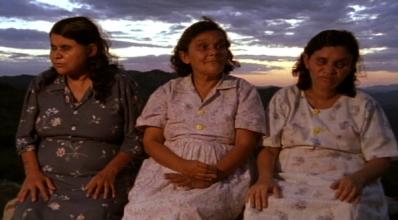
Three blind sisters, linked by this extraordinary twist of fate, spend their lives singing and playing ganzá for spare change on the streets and in the street markets of poverty stricken northeast Brazil. This documentary follows the daily chores of these women and how they survive on their own. Their immersing story, that not without humor, depicts a complex tale of love and death, anguish and art. The story accompanies them in the unexpected turn in their lives as a result of the film; the cinema effect which transforms them into celebrities. Both the director and the subjects of the film face the ties that bind them, revealing the risks and seduction of the documentarian's work.
Born to a family of migrant farm workers, the three sisters spent their childhood bouncing from city to city in the Northeast of Brazil., following the steps of their alcoholic father in search of temporary work. In order to supplement their meager earnings, their mother dedicated herself to making arts and crafts, while the sisters learned to sing for change in street markets and on church steps.
After the death of their father, singing became the main source of income for the large family, which seemed to never stop growing. At one time, the sisters were supporting 14 people, among them brothers and sisters, one of whom was adopted, as well as as nieces, nephews, their mother and her new husband.
When the crew from TV Zero first met the three blind sisters 1997, they were practically alone, living in small house in the Northeastern Brazilian city of Campina Grande. Their mother had passed away some six months earlier and Silvestre had been dead for almost four years. Maria's daughter was in the custody of distant aunts who refused to give her back to her mother.
What occurred in their lives is the subject of this film.
▼ Read More
More Films Like This One